


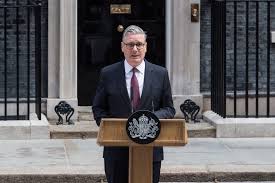
Embattled British Prime Minister Keir Starmer has announced his resignation, bringing to an abrupt end a premiership that began less than two years after Labour’s landmark general election victory.
Starmer’s decision follows days of mounting pressure from Labour MPs and senior cabinet ministers, many of whom reportedly urged him to step aside amid growing concerns about the party’s electoral prospects and declining public support.
The outgoing prime minister reportedly confirmed today that he would relinquish office, despite insisting only days earlier that he intended to fight any leadership challenge.
Reports indicate that discussions with senior ministers and consultations with his wife, Victoria, over the weekend played a significant role in his final decision.
According to sources within the Labour Party, several cabinet ministers privately informed Starmer that his position had become untenable, while preparations for a resignation announcement reportedly began as early as Saturday.
His departure is expected to trigger a fierce contest to determine Labour’s next leader and the United Kingdom’s seventh prime minister in a decade.
Former Greater Manchester Mayor Andy Burnham is widely viewed as the frontrunner after returning to Westminster following victory in the Makerfield by-election.
However, the leadership race may not materialise if rival contenders fail to secure the required 81 nominations from Labour MPs. Among those being mentioned as potential candidates is Health Secretary Wes Streeting.
Starmer is expected to remain in Downing Street until Labour completes the process of selecting a successor, ensuring continuity in government during a period marked by economic challenges and international uncertainty.
While Burnham’s supporters see him as the party’s best hope of reversing Labour’s fortunes, some MPs remain concerned about his readiness for the nation’s highest office and favour a full leadership contest to test his credentials.
The resignation follows months of internal unrest within Labour. Questions over Starmer’s leadership intensified after criticism from senior party figures, declining approval ratings, and a series of controversial policy decisions, including restrictions on winter fuel payments and proposed welfare reforms.
Although Starmer later softened or reversed some of those policies, many Labour MPs reportedly viewed the moves as signs of weak leadership rather than political responsiveness.
His position was further weakened by disappointing local election results, which exposed widespread voter dissatisfaction and fuelled demands for a leadership transition.
Starmer’s downfall marks a dramatic reversal of fortunes for a politician who, in 2024, led Labour to one of its most significant electoral victories since the landslide era of Tony Blair.