


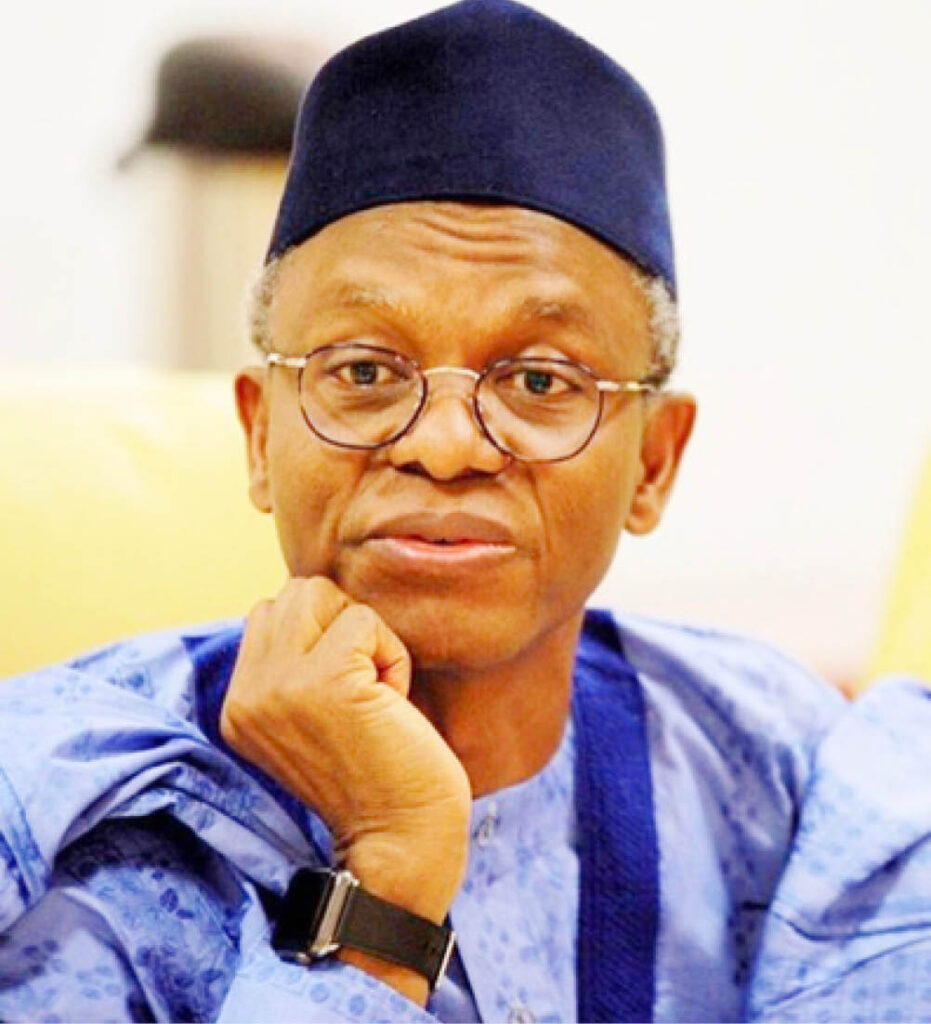
A Federal High Court sitting in Kaduna has granted bail to Nasir El-Rufai, a chieftain of the African Democratic Congress, bringing—at least for now—an end to nearly two months of detention over alleged financial misconduct.
El-Rufai is being investigated by the Independent Corrupt Practices and Other Related Offences Commission (ICPC) for offences bordering on financial fraud reportedly committed during his tenure as governor of Kaduna State from 2015 to 2023.
Proceedings in court were marked by sharp exchanges between counsel for the defence and prosecution. Lead defence counsel, Oluwole Iyamu, argued that his client’s application for bail is a constitutional right, stressing that El-Rufai has verifiable ties within Nigeria and poses no flight risk.
However, ICPC’s prosecuting counsel opposed the application, contending that granting bail at this stage could interfere with ongoing investigations and potentially compromise witnesses or evidence.
In his ruling, Justice Rilwan Aikawa held that the court had considered the arguments from both sides and found merit in the bail application.
Despite the ruling, the court ordered that El-Rufai remain in ICPC custody pending the fulfilment of stringent bail conditions.
The conditions include a ₦200 million bond with two sureties in like sum. The sureties must include a recognised traditional ruler and a federal civil servant not below Grade Level 15. Additionally, the defendant is required to submit documents of landed property, deposit his international passport with the court, and refrain from making public comments related to the case.
Background
El-Rufai’s legal troubles come amid heightened scrutiny of former public office holders in Nigeria, as anti-corruption agencies intensify efforts to investigate alleged abuses of office. During his time as governor, Kaduna State undertook several large-scale infrastructure and urban renewal projects, many of which drew both commendation and criticism over transparency, debt accumulation, and procurement processes.
The ICPC’s case is believed to be part of a broader probe into financial transactions and contract awards executed during that period. While no conviction has been secured, the investigation underscores ongoing concerns about public sector accountability and the management of state resources in Nigeria