


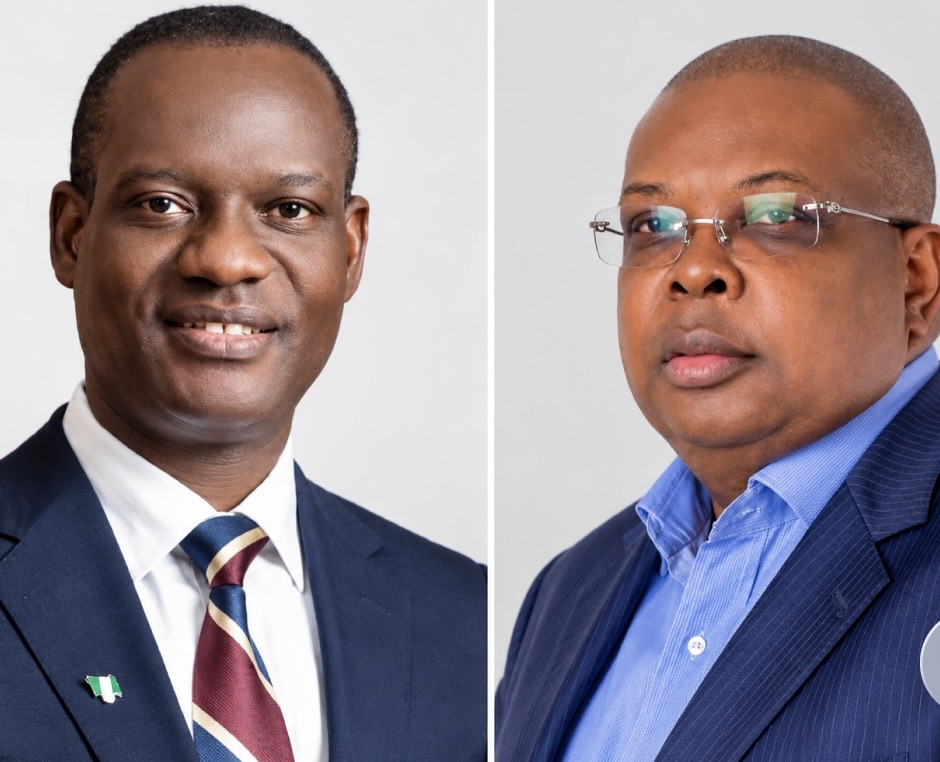
The Federal Government has sent seemingly conflicting signals on electricity tariffs, with the Minister of Power, Joseph Tegbe, ruling out plans for an increase even as Finance Minister Taiwo Oyedele indicated that the government intends to implement cost-reflective electricity tariffs next year.
The apparent policy divergence has raised questions about the administration’s electricity pricing strategy, particularly at a time when Nigerians are grappling with high energy costs and persistent concerns over the reliability of power supply.
Speaking on the sidelines of the International Monetary Fund (IMF) meetings in Bangkok where he unveiled fiscal reforms, Oyedele emphasized that Nigeria cannot achieve a $1 trillion economy without solving its power issues. He outlined that the government is looking at strategies such as “market-reflective pricing” to address the challenges.
Speaking on Thursday in Ibadan, Oyo State, during the groundbreaking ceremony for five interconnected mini-grid projects, the power minister dismissed reports of an impending tariff increase.
“I want to say this clearly and without ambiguity: there is no plan to increase electricity tariffs. What we are planning is a power sector that works around the clock. Our commitment is 24/7 power,” Tegbe said.
The five mini-grid projects, designed to deliver a combined 17.7 megawatts of electricity and supported by a 17.74-megawatt-hour Battery Energy Storage System, are expected to serve communities in Bola, Jiboye, Molade-Adelubi, Ogo Oluwa and Sooko-Elega across five local government areas of Oyo State.
Tegbe said the projects formed part of the Federal Government’s broader strategy to expand electricity access, strengthen power infrastructure and reduce dependence on petrol and diesel generators.
He also highlighted ongoing efforts to reinforce the national grid and develop designated power corridors, including Lagos-Ogun, Abuja-Kaduna-Kano and Benin-Enugu-Port Harcourt.
However, the minister’s categorical denial of a planned tariff increase appears to contrast with the cost-reflective pricing policy outlined by Oyedele.
Cost-reflective tariffs generally refer to electricity prices designed to cover the efficient costs of generating, transmitting and distributing power. Depending on the regulatory framework and implementation arrangements, such pricing could translate into higher bills for some consumers, although the impact would depend on the tariff structure, consumer category and any government subsidies or protections retained.
The apparent discrepancy has left a crucial question unanswered: does the government intend to maintain existing tariffs while improving electricity supply, or will it introduce cost-reflective pricing in 2027 as reportedly indicated by the finance minister?
It remains unclear whether the two ministers are referring to different aspects of the government’s electricity policy, including the distinction between an immediate across-the-board tariff increase and a phased transition towards cost-reflective pricing.
Tegbe, for his part, urged Nigerians to disregard reports of another tariff increase, reiterating that the administration was focused on expanding electricity access and improving service delivery.
He described the mini-grid initiative as part of President Bola Tinubu’s Renewed Hope Agenda, commending the Rural Electrification Agency, Paras Energy and Natural Resources Development Limited, the World Bank and the Ibadan Electricity Distribution Company for supporting the projects.
The Federal Government is yet to publicly reconcile the two positions in a manner that clearly establishes whether cost-reflective tariffs will be introduced next year and, if so, how the policy will affect electricity consumers.