


The United States Mission Nigeria has issued a fresh warning to Nigerians against engaging in visa fraud, cautioning that such actions trigger stricter screening measures that ultimately affect all applicants.
In a statement posted Monday on its official X (formerly Twitter) handle, the mission reaffirmed its commitment to safeguarding the integrity of the American visa system through what it described as rigorous and continuous screening.
“Those who seek to commit fraud bring increased scrutiny on all visa applicants. We protect the U.S. visa system with rigorous screening, and our officers take fraud very seriously,” the statement read.
The mission emphasised that thousands of Nigerians continue to access the United States lawfully as temporary workers, professionals, entrepreneurs, investors, students and tourists, urging prospective travellers to adhere strictly to visa conditions and US immigration laws.
The latest advisory follows a similar warning issued on February 9, in which the mission highlighted visa overstays by Nigerian travellers as a major factor influencing future visa adjudications. According to the mission, repeated violations — particularly overstaying approved periods of stay — undermine confidence in compliance rates and can lead to reduced opportunities for other applicants.
US consular authorities have long expressed concern about fraudulent documentation, misrepresentation of travel intent, and non-compliance with visa terms in a minority of applications originating from Nigeria. Although the majority of applicants comply with regulations, officials maintain that even isolated abuses can distort risk assessments and prompt broader policy responses.
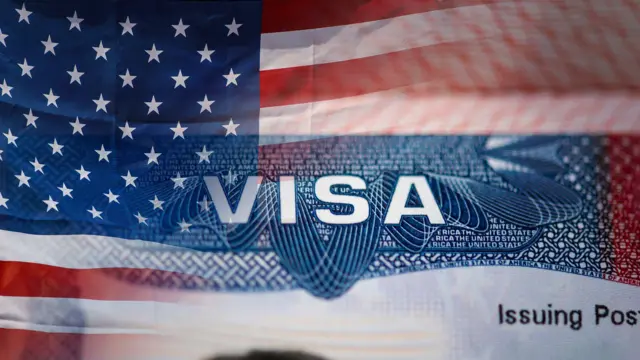
Over the years, these concerns have translated into tangible policy measures. The US government previously reduced visa validity periods for certain categories of Nigerian travellers and introduced more intensive background checks as part of efforts led by the United States Department of State to preserve the credibility of its immigration framework.
Diplomatic observers note that visa policy is often shaped by reciprocity, compliance data, and security considerations. Countries with higher rates of overstays or fraud tend to face tighter adjudication standards, additional documentary requirements, and in some cases, shorter visa validity durations.
The mission reiterated that strengthening compliance ultimately protects legitimate travellers — including students, business executives, families, and investors — whose mobility depends on maintaining trust between both countries.
It also called on members of the public who are aware of visa-related fraud schemes to report such cases through appropriate official channels, stressing that combating fraud is a shared responsibility.
The renewed warning comes at a time when demand for US visas among Nigerians remains high, driven by educational pursuits, business expansion, tourism, and family reunification. Analysts say sustained compliance by applicants will be critical in determining whether future policy adjustments trend toward facilitation or further restriction.